
Sara kulturhus: Cultural hub in northern Sweden
Sara kulturhus has become somewhat of a global phenomenon. One of the tallest wooden structures in the world, it houses leading art museums and…

Radar Architecture is a leading Swedish architecture firm for designing and planning the housing and public spaces of tomorrow. With a team of 45, it’s at the forefront of many of the major construction projects in Sweden, handling a variety of responsibilities therein. By paying detailed attention to how people interact with their homes and public spaces, Radar Architecture has become synonymous with beautiful, thoughtful humanist architecture, for which it has been recognised with a number of prestigious awards. “We are very aware of how people react to different materials and how they react when they come home, which is what we build from when we are working on a project. I think this is…
W hen Nobis Hotels opened a new hotel in the centre of Copenhagen last year, its first hotel…
Constantly pushing the boundaries, Tengbom creates beautiful buildings and spaces that enrich…
Acting on current challenges in society such as climate change, Krook & Tjäder offers…
A building with a purpose employs sustainability in several aspects – ecological, economic and…

Sara kulturhus has become somewhat of a global phenomenon. One of the tallest wooden structures in the world, it houses leading art museums and…


With optimism as a leading principle, Anders Berensson Architects paints a beautiful image of the future. Facing difficult challenges, the team tries…
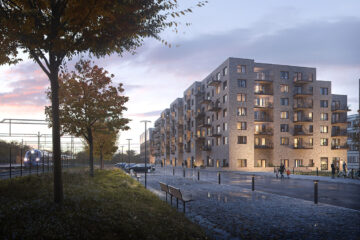
Sunnerö Architects is a dynamic and forward-thinking architectural and design firm with a team driven by passion and curiosity. Its winning proposal…
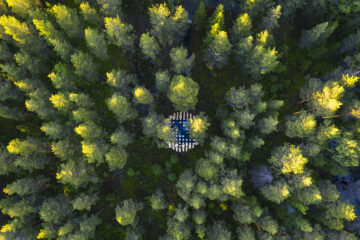
Architecture in Sweden is diverse and many of the most notable buildings, from modern architecture to historic landmarks, can be explored at your own…

A global company with roots in Scandinavia, Norconsult has offices all over the world specialising in the building segment. Apart from industrial…

A building with a purpose employs sustainability in several aspects – ecological, economic and social. The secret for EGA Erik Giudice Architects,…

Acting on current challenges in society such as climate change, Krook & Tjäder offers well-designed and sustainable architecture as part of the…

Constantly pushing the boundaries, Tengbom creates beautiful buildings and spaces that enrich people’s lives, strengthen its clients, and bring our…

Vegeljuing, Ängelholm: Radar Architecture’s vision for a new neighbourhood of 600 homes brings housing, a nursing home, preschool, services and green public spaces together close to the sea. The project reflects the Swedish practice’s people-first approach to architecture, landscape and city planning. Image: Radar Architecture.

Nobis Hotel Copenhagen: Swedish architecture firm Wingårdhs transformed the historic 1903 building with a sensitive interior redesign that preserves its neoclassical character while introducing natural materials, rich colours and contemporary Scandinavian elegance. Photo: André Pihl / Wingårdhs.

Arlanda VIP Services, Stockholm: Designed by Tengbom, the discreet VIP terminal at Stockholm Arlanda Airport reinterprets Scandinavian luxury through natural materials, daylight, tranquillity and a strong connection to Swedish landscape and culture. Completed in 2018, it shows why the Stockholm-founded practice remains one of Sweden’s most innovative architecture firms. Photo: Felix Gerlach.

Villa Copenhagen: Swedish architecture firm Krook & Tjäder transformed Copenhagen’s historic 1912 former Central Post Office into a luxury hotel while preserving much of Heinrich Wenck’s original building. The award-winning project embodies the practice’s idea of “conscious luxury” – proving how adaptive reuse can combine architectural heritage with contemporary hospitality and sustainability. Photo: Felix Gerlach.

Platinan, Gothenburg: Designed by EGA Erik Giudice Architects, this striking mixed-use development brings together offices, a hotel, cultural activities and shops. Its flexible, multi-purpose approach reflects the Swedish-French practice’s ambition to rethink how contemporary buildings and cities respond to environmental challenges. Photo: EGA Erik Giudice Architects

Outdoor Office, Stockholm: Designed by Anders Berensson Architects in Stockholm’s Royal National City Park, this inventive extension for outdoor brand Lundhags sits lightly on timber pillars above the sloping terrain, creating an outdoor amphitheatre beneath. It captures the Swedish studio’s playful, resource-conscious approach to finding unconventional architectural solutions. Photo: Anders Berensson Architects.

School Transformation, Sweden: Sunnerö Architects reimagines a 1970s school through transformation rather than replacement, retaining the existing building while giving it the character and experience of something new. The project exemplifies the Gothenburg-based Swedish practice’s belief that some of the most sustainable architecture comes from reusing and improving what already exists. Image: Sunnerö Architects.

Under, Lindesnes, Norway: AFRY’s Light Bureau created the lighting design for Under, Europe’s first underwater restaurant, working closely with architects Snøhetta. The lighting extends from the dramatic interior into the surrounding water, visually connecting architecture and ocean while helping promote marine biodiversity – a striking example of AFRY’s multidisciplinary approach to sustainable design. Photo: Tomasz Majewski.

Fixfabriken, Gothenburg: Swedish studio What! Arkitektur is helping transform this former industrial area in Majorna into a new mixed-use neighbourhood of homes, schools, care facilities and social spaces. With an emphasis on social sustainability, the architects use human-scale buildings and carefully designed spaces between them to encourage everyday interaction and community life – a strong example of contemporary people-centred Swedish architecture. Photo: What! Arkitektur.

The Student, Huddinge: Stockholm-based Total Arkitektur designed this ambitious mixed-use housing project to bring together people at different stages of life, combining family homes, smaller apartments, student accommodation and childcare with generous green communal spaces. The project captures Total’s holistic approach to sustainable Swedish architecture, designing buildings and landscape together to encourage community and help bridge social divides. Image: Total Arkitektur.

CIK, Karlstad: Designed by Norconsult Architects, this award-winning cultural and education centre combines a school, library, sports facilities and public spaces within a striking timber-clad complex. Winner at the European Property Awards, CIK demonstrates the Swedish practice’s strength in handling large, complex projects while putting sustainability and community at the centre of the architecture. Photo: Norconsult Architects.
A guide to the best Swedish architects, Scandinavian design philosophy and the studios shaping Sweden’s built environment.
Sweden has produced some of the world’s most influential architects, yet the country’s architectural reputation is built on more than striking buildings and celebrated names. At its best, Swedish architecture combines social responsibility, environmental awareness and an extraordinary attention to how people actually experience the places around them.
From Stockholm and Gothenburg to Malmö and rapidly developing regional cities, the best Swedish architects are responding to some of the defining questions facing contemporary architecture: how can cities grow without sacrificing quality of life? How can existing buildings be given new purpose rather than demolished? And how can architecture reduce its environmental impact while still creating places that people will value for generations?
Internationally, White Arkitekter, Sweco Architects and Tham & Videgård have helped establish Sweden as an architectural nation with influence far beyond its borders. White has become particularly associated with sustainable architecture and timber construction, while Tham & Videgård has earned international recognition for a more experimental and distinctly Scandinavian architectural language. These names form part of a much broader architectural culture, however, encompassing everything from major multidisciplinary practices to small studios pursuing highly individual approaches.
Over the years, Scan Magazine has built an extensive editorial archive of Swedish architects and architecture, interviewing practices and exploring the projects, ideas and innovations shaping Sweden’s built environment. This guide brings together many of those stories to introduce some of the best Swedish architects working across housing, urban development, restoration, workplaces and public architecture today.
Swedish architects with more than a century of experience
Few Swedish architecture firms illustrate the continuity between heritage and innovation better than Tengbom. Founded in 1906, the Stockholm-based practice has played a role in Swedish architecture for well over a century while continuing to explore how historic buildings can be adapted for contemporary life.
Its restoration of Stockholm’s Östermalm Market Hall is a particularly revealing example. Rather than reinventing the landmark, Tengbom rediscovered elements of its original 1888 layout and colour scheme while improving accessibility and circulation for modern visitors. The firm’s Arlanda VIP Services takes a very different approach but draws upon equally Swedish ideas, interpreting luxury through tranquillity, natural materials and closeness to nature rather than ostentation.
Wingårdhs has similarly become one of the defining names in modern Swedish architecture. Founded by Gert Wingårdh in 1977, the practice has grown from residential architecture into a major studio working across public buildings, offices, hotels and large-scale urban developments. Its projects frequently combine bold architectural expression with an acute sensitivity to landscape, materials and social context.
That breadth can be seen in projects ranging from the sensitive transformation of the historic Nobis Hotel Copenhagen to major developments in southern Sweden, where sustainability and social inclusion have become integral to the practice’s approach.
Together, these long-established Swedish architects demonstrate an important characteristic of the country’s design culture: innovation does not require abandoning what came before.
How Swedish architects put people first
Human-centred design has become one of the strongest threads running through contemporary Swedish architecture.
For Radar Architecture, understanding how people respond to their homes, streets and public spaces is fundamental to the design process. The Gothenburg-founded practice brings architects, landscape architects and city planners together to work across scales, from individual homes to entire residential districts.
Founder Oskar Götestam describes the responsibility particularly well:
“The starting point is always the individual.”
— Oskar Götestam, founder of Radar Architecture
That deceptively simple principle informs Radar’s approach to long-term sustainability, public space and even its decision to use children’s perspectives as one of the guiding principles through which projects are evaluated.
A similarly people-focused philosophy can be found at What! Arkitektur. The Gothenburg practice deliberately maintains a close-knit team, allowing architects with different areas of expertise to remain involved throughout a project. Its work ranges from individual buildings to landscape and neighbourhood development, but the ambition remains consistent: architecture should improve the quality of everyday life.
Projects such as Fixfabriken in Gothenburg demonstrate this thinking at neighbourhood scale. Rather than considering housing in isolation, the architects consider the spaces between buildings, schools, care facilities and meeting places as part of the same living environment.
Swedish architects shaping the modern city
As Sweden’s cities grow, some of the country’s most interesting architecture is happening not at the scale of an individual building but at the point where architecture, urban planning and public life meet.
Reflex Arkitekter, with offices in Stockholm and Gothenburg, has created a portfolio of prominent urban projects while maintaining a strong belief that major buildings must give something back to the city.
That philosophy is visible in Kineum, the 28-storey Gothenburg development designed around movement and interaction. Offices, hospitality and leisure are combined within a building intended to connect with the surrounding city rather than operate as an isolated tower. Reflex also designed the Swedish Pavilion at Expo 2020 Dubai, using an all-timber structure inspired by the Swedish forest.
Krook & Tjäder operates at an even broader scale. Established in Gothenburg in 1988, the practice has grown into one of Scandinavia’s larger architectural firms, working across architecture, urban planning, landscape, interiors and product design. Its work demonstrates how the best Swedish architects are increasingly addressing sustainability not as an architectural style but as a fundamental design responsibility.
The transformation of the historic former Danish Post headquarters into Villa Copenhagen illustrates the value of reuse, while projects such as Kvartetten in Malmö have pursued ambitious net-zero climate goals. As the practice itself argues, developing what already exists can be every bit as important as creating something new.
Architecture as an expression of Swedish identity
Swedish architects have also become particularly adept at translating ideas about landscape, nature and national identity into contemporary buildings.
Alessandro Ripellino Arkitekter demonstrated this on an international stage with its winning concept for Sweden’s pavilion at Expo 2020 Dubai.
Developed with Studio Adrien Gardère and Luigi Pardo Architetti, The Forest used the Swedish woodland as both architectural inspiration and metaphor, transforming familiar ideas about Sweden’s relationship with nature into an immersive architectural experience.
This relationship between architecture and nature is not simply aesthetic. Across Swedish architecture, timber, daylight, landscape and existing environments increasingly form part of a larger conversation about how buildings should respond to climate, resources and human wellbeing.
It is a conversation that becomes even more important among the next generation of Swedish architects — practices questioning conventional construction, experimenting with reuse and exploring how Sweden’s homes and cities might evolve in the decades ahead.
How Swedish architects are rethinking sustainability
Sustainability has become inseparable from contemporary Swedish architecture. But for many of the best Swedish architects, the conversation has moved beyond simply reducing energy consumption. Increasingly, the focus is on longevity, reuse, adaptable buildings and creating places that people will want to preserve rather than replace.
Total Arkitektur brings architecture, landscape architecture and urban planning together in an approach that considers sustainability at neighbourhood scale. Its work explores how housing can respond not only to environmental challenges but also to questions of affordability, community and changing lifestyles, demonstrating how architectural quality and social sustainability can reinforce one another.
A more experimental perspective comes from Anders Berensson Architects, whose projects frequently challenge conventional ideas about what buildings and cities should be. From conceptual urban proposals to the striking Thermal Mass Sauna Stack, the Stockholm practice uses architecture as a way of testing new possibilities, often combining serious questions about resources and urban development with a playful design language.
For Erik Giudice Architects, sustainability is similarly connected to the larger city. The Swedish-French practice works across architecture and urban planning, bringing Scandinavian and continental European perspectives together to create buildings and neighbourhoods designed for long-term adaptability.
Together, these Swedish architects demonstrate how sustainability is becoming less about adding environmental technology to conventional buildings and more about reconsidering what, where and how we build.
Giving existing buildings a new future
One of the most important shifts in architecture is also one of the simplest: before constructing something new, architects are increasingly asking what can be retained.
This philosophy is particularly relevant in Sweden, where existing industrial buildings, offices and urban structures represent both enormous embodied resources and important layers of cultural history.
AFRY brings the resources of a major engineering and design organisation to this challenge, combining architecture with technical expertise to tackle complex projects where sustainability, infrastructure and the built environment intersect.
Erséus Arkitekter, meanwhile, demonstrates how careful architectural intervention can allow existing places to evolve without losing their identity. Rather than treating heritage as something frozen in time, this approach recognises that successful buildings and neighbourhoods must continue to accommodate new uses and new generations.
The principle is increasingly central to Swedish architecture as a whole. Reusing a structural frame, adapting an older building or transforming an overlooked site can dramatically reduce the environmental cost of development while preserving the stories that make cities distinctive.
Smaller studios with big ideas
The international reputation of Swedish architecture is not built solely upon large practices.
Some of its most interesting ideas emerge from smaller studios, where architects can pursue highly personal approaches to materials, context and collaboration.
Sunnerö Architects, founded in Gothenburg by Anna Sunnerö, works across residential, civic, commercial and educational projects with an emphasis on architecture that makes a meaningful difference to the people who experience it.
Monsén Arkitekter similarly demonstrates the value of a close relationship between architect, client and place. Rather than imposing a predetermined architectural language, smaller Swedish studios such as these can respond closely to the particular conditions of each commission.
That diversity matters. The best Swedish architects are not necessarily those designing the largest buildings. They include practices working quietly at residential and regional scale, where thoughtful decisions about materials, proportions, daylight and landscape can have an equally profound impact.
Architecture beyond the building
Swedish architecture increasingly crosses traditional professional boundaries.
Large multidisciplinary organisations such as Norconsult bring architecture together with engineering, planning and technical expertise, reflecting the growing complexity of designing sustainable cities and infrastructure. LINK Arkitektur, operating across the Nordic region including Sweden, similarly demonstrates how architecture can form part of a much broader conversation encompassing urbanism, landscape, health, workplaces and community.
Design culture also extends into the objects and interiors that shape architectural environments. Offecct occupies this intersection between architecture and Scandinavian furniture design, working with leading designers and architects to create products conceived not simply as objects but as components of the spaces in which people live, work and meet.
These broader disciplines are important to understanding why Swedish architecture has developed such a distinctive international identity. Buildings are rarely considered in isolation; architecture, landscape, interiors, engineering and product design form part of the same human environment.
Swedish architecture on the international stage
Sweden’s architectural influence is particularly visible through its landmark buildings.
Scan Magazine’s feature on Sara Kulturhus in Skellefteå explores one of the most ambitious contemporary examples. Designed by White Arkitekter, the 20-storey cultural centre and hotel is constructed predominantly from timber and has become an international reference point for large-scale wooden architecture.
Elsewhere, Scan’s Striking landmarks to explore in Sweden brings together architecture from across the country, while the feature on Sofiero explores the meeting point between architecture, art, landscape and Sweden’s royal heritage.
These broader stories provide important context for the individual studios featured throughout this guide. Swedish architecture is not defined by one generation, one aesthetic or one type of building. It is an evolving culture in which established practices and younger architects continually influence one another.
The future of Swedish architecture
What ultimately distinguishes the best Swedish architects is not a recognisable visual style.
Instead, it is an approach.
Swedish architects have become known for asking how architecture can make everyday life better, how cities can grow without losing their human scale and how buildings can respond to climate change without sacrificing beauty, identity or enjoyment.
That philosophy can be found in everything from major urban developments to experimental houses and carefully restored historic buildings. It also explains why Swedish architecture continues to resonate internationally: many of the challenges Sweden’s architects are addressing are the same challenges facing cities everywhere.
The practices featured throughout Scan Magazine’s archive represent different generations, scales and architectural philosophies, yet together they reveal a profession undergoing profound change.
The next chapter of Swedish architecture will increasingly be shaped by reuse, timber construction, circular materials, adaptable buildings and new approaches to urban living. But its most enduring principle is likely to remain remarkably familiar: architecture begins with people.
For anyone researching the best Swedish architects, planning a project in Sweden or simply interested in Scandinavian design, these stories offer a window into the practices, projects and ideas shaping one of Europe’s most influential architectural cultures.
With optimism as a leading principle, Anders Berensson Architects paints a beautiful image of the future. Facing difficult challenges, the team tries…
Sunnerö Architects is a dynamic and forward-thinking architectural and design firm with a team driven by passion and curiosity. Its winning proposal…
Architecture in Sweden is diverse and many of the most notable buildings, from modern architecture to historic landmarks, can be explored at your own…
Are you a keen follower of Brand Scandinavia? Sign up to our newsletter now to stay up to date on all the latest Scandi trends, read celebrity interviews and get insider advice on the most cherished hidden gems.
