
Kalfaret: A house of history, culture and community in Bergen
Just outside the centre of Bergen, in the historic surroundings of Kalfaret, stands an elegant 19th century villa with an extraordinary story to…

Seek out ‘Norway’s most beautiful restaurant’ for your next culinary adventure! Based in Bergen, a city on the country’s west coast, Frescohallen elevates the dining experience to the next level through locally sourced, yet internationally inspired food, historical surroundings, and exceptional artworks. In the historical Norwegian ‘City of the Seven Mountains’, stands a building that housed Norway’s first – and for a while its only – stock exchange, namely Bergen Børs. Today, the iconic building is home to Bergen Børs Hotel and its restaurant, Frescohallen, all designed by Swedish architecture studio Claesson Koivisto Rune. “Just seeing Frescohallen is a spectacular experience in itself.…
Nestled in the heart of Bergen's historic Bryggen district, Bryggen Tracteursted offers a unique…
World-class music in Bergen Bergen in Norway, surrounded by mountains and fjords, is an important…
With over 20 titles published in 24 countries, 74-year-old Gunnar Staalesen is known as the…
When entrepreneur Veronica Eikemo Pedersen first stepped into a floating sauna in Oslo in 2020, she…

Just outside the centre of Bergen, in the historic surroundings of Kalfaret, stands an elegant 19th century villa with an extraordinary story to…


Unknown to many, Norway is home to some of the world’s highest waterfalls – and with spring offering the best conditions to experience them, there…

Have you always wanted to join a choir but never found the courage to? This year’s Gospelfest might be your chance. Here, you can join hundreds of…

Nestled in the heart of Bergen's historic Bryggen district, Bryggen Tracteursted offers a unique fusion of Norwegian tradition and contemporary…

Framed by its seven hallmark mountains and spilling into a harbour that opens toward the North Sea, Bergen is a city where nature, culture, and…

In the Nordnes district of Bergen, the cosy Løvetann Café & Bistro serves fresh, varied and tasty dishes, all made from scratch. Thoughtfully…

When entrepreneur Veronica Eikemo Pedersen first stepped into a floating sauna in Oslo in 2020, she immediately knew she had discovered something…

Bergen, Norway’s rain-kissed cultural capital, has long been a city where music, literature, and art thrive. In recent years, it has also become a…

Café Norge offers a stylish and lively meeting place in the heart of Bergen — the perfect spot to round off a visit to a city you’ll probably leave already wanting to return to. Photo by Woutervander Sar.

Bergens Sjøfartmuseum explores Bergen’s rich seafaring history through historic ships, maritime art and stories of life connected to the sea. Photo by Bergens Sjøfartmuseum.

Bryggen Tracteursted combines traditional Norwegian flavours with one of Bergen’s most historic settings, right in the heart of the UNESCO-listed Bryggen district. Photo by Bryggen Tracteursted.

Gunnar Staalesen brings Bergen to life through his Varg Veum crime novels, with the city’s streets, harbour and rugged surroundings forming an unmistakable backdrop to his work. Photo: Press Photo.

Bergen National Opera and Bergen Philharmonic Orchestra showcase the city’s world-class cultural scene, bringing opera and classical music to the heart of Bergen. Photo by Bergen National Opera and Bergen Philharmonic Orchestra.

Bergen Kirkeautunnale brings church art and music together each autumn, combining tradition, innovation and atmospheric performances in some of Bergen’s most beautiful sacred spaces. Photo by Bergen Kirkeautunnale.

Frescohallen pairs Bergen’s culinary scene with one of the city’s most spectacular historic interiors, where grand frescoes and elegant architecture create a memorable setting for dining. Photo by Frescohallen.

Allmuen Bistro brings a relaxed, welcoming approach to dining in Bergen, with flavourful food served in a lively setting designed to feel open to everyone. Photo by Lynn Millspaugh.

Løvetann Café & Bistro brings colour and creativity to Bergen’s food scene, serving fresh, varied dishes made from scratch in a cosy neighbourhood setting. Photo by Løvetann Café & Bistro.

Tøsse Brygghus brings craft beer, local tradition and dramatic Osterfjord scenery together in a beautiful setting near Bergen. Photo by Tøsse Mølle.

Born in rainy Bergen, Norwegian Rain turns the city’s famously wet climate into inspiration for stylish, functional outerwear with international appeal. Photo by shehanhanwellage.

Eline Bang creates handmade jewellery from her Bergen home, combining playful, personal designs with careful craftsmanship and a distinctly Scandinavian feel. Photo by Eline Bang.

Thon Hotel Bristol Bergen offers a comfortable, centrally located stay close to the city’s main attractions, shopping and cultural highlights. Photo by Espen Grønli.

Kava Roofgarden at Magic Hotel Kløverhuset combines striking design with panoramic views over central Bergen from its seventh-floor setting. Photo by Magic Hotels.

Bergen rises beautifully between harbour and mountains, with its colourful waterfront, historic architecture and surrounding fjord landscape creating one of Norway’s most striking cityscapes. Photo by Visit Bergen / Mathias Falcone - visitBergen.com.

MS Sandnes offers a nostalgic journey along Norway’s coast, combining classic 1950s maritime elegance with a long history of sailing between Stavanger, Sandnes and Bergen. Photo by MS Sandnes.

Bekkjarvik Gjestegiveri offers a historic coastal escape just south of Bergen, combining fjord views, seafood, boating experiences and the relaxed pace of island life. Photo: Bekkjarvik Gjestegiveri.
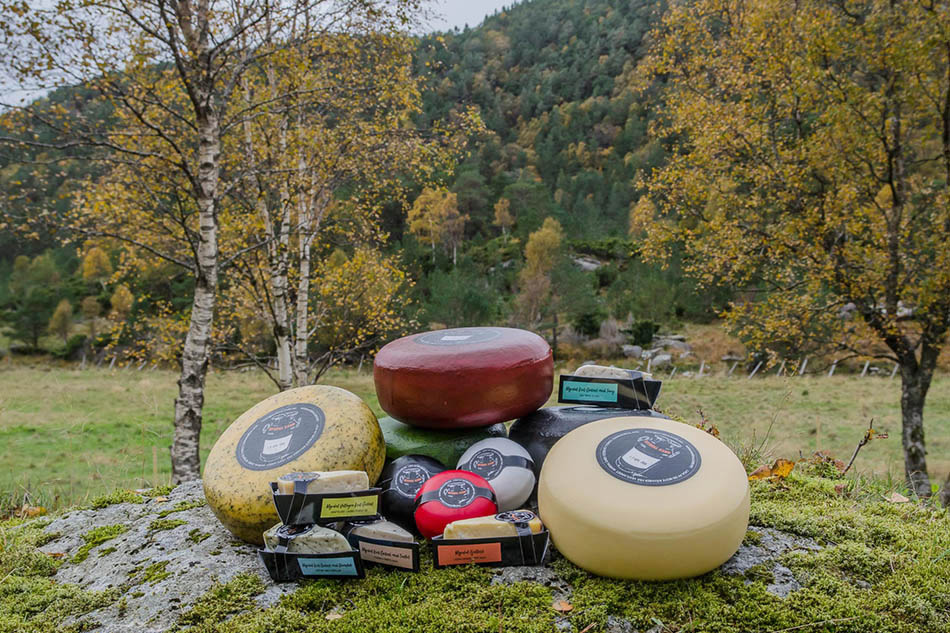
Myrdal Gård brings the flavours of Western Norway to life with award-winning artisan cheese produced on Tysnes, just a short journey from Bergen. Photo by Myrdal Gård.
Bergen is one of Norway’s most rewarding city breaks, combining historic neighbourhoods, mountain viewpoints, museums, restaurants and easy access to the fjords. For visitors wondering what to do in Bergen, the city packs an unusual amount into a compact centre.
The best things to do in Bergen range from exploring UNESCO-listed Bryggen and riding the Fløibanen to Mount Fløyen, to visiting museums, experiencing the city’s food scene and heading out towards Western Norway’s spectacular fjords and waterfalls.
This guide to the best things to do in Bergen brings together the city’s essential sights with some of the people, places and businesses Scan Magazine has discovered in Bergen and the surrounding region over the years.
Start with historic Bryggen
Any first visit to Bergen should begin at Bryggen, the distinctive row of colourful wooden buildings lining the eastern side of Vågen harbour. The UNESCO-listed wharf grew out of Bergen’s role as an important Hanseatic trading centre and remains the city’s defining landmark today.
It is worth doing more than simply photographing the façades. Wander into the narrow passages behind them, where timber buildings, galleries, workshops and small businesses reveal another side of the historic quarter.
For a deeper understanding of what existed here centuries ago, Bryggens Museum is particularly rewarding. The museum grew out of archaeological excavations following a major fire at Bryggen in 1955. Everyday objects discovered beneath the ground – shoes, pottery, tools, textiles and other fragments – provide an unusually intimate picture of medieval Bergen.
History continues over lunch or dinner at Bryggen Tracteursted, where the surroundings are part of the experience. Its location within the historic Bryggen area makes it a particularly natural place to connect Bergen’s culinary traditions with the buildings and trading culture that shaped the city.
Nearby, Bergens Sjøfartmuseum – Bergen Maritime Museum provides another important piece of the story. Bergen’s fortunes have long depended on the sea, and maritime trade, navigation and shipping are essential to understanding why the city developed as it did.
The wider harbour area is worth exploring on foot too. Bergenhus Fortress, at the entrance to Vågen, adds another layer of medieval and royal history, while the historic Hanseatic story continues throughout the Bryggen district.
A city that belongs to its writers
Bergen is not simply picturesque; it has a remarkably strong sense of its own character. Few people have captured that better than crime writer Gunnar Staalesen, whose detective Varg Veum has walked Bergen’s streets through decades of novels.
Staalesen has spent his entire life in the city, and Bergen is effectively another character in his work. His own recommendations include Bryggen, Fløyen, Nordnes and Troldhaugen – a useful reminder that the best way to understand Bergen is to move between its cultural life and its landscape.
“I’ve lived the whole of my life in Bergen, and love the city.”
— Gunnar Staalesen, author
Contemporary literature has a prominent place here too. The Bergen International Literary Festival brings writers and readers together around literature, politics and ideas from Norway and further afield, adding to a cultural tradition that extends well beyond Bergen’s famous historical names.
Take Bergen in from above
Bergen is traditionally described as the city between seven mountains, and it would be a mistake to experience it only at street level.
The easiest introduction is Fløibanen, the funicular that climbs from the centre to Mount Fløyen. Within minutes, the harbour and tightly packed city centre give way to forest, walking paths and expansive views across Bergen and the surrounding waterways.
For something higher and more dramatic, head to Mount Ulriken, the highest of Bergen’s seven mountains at 643 metres. A cable car reaches the summit, from where the city, islands and fjords spread out below.
Strong walkers can connect the two via the popular Vidden hike between Ulriken and Fløyen, turning Bergen’s mountains into a substantial experience rather than simply a viewpoint. Visit Bergen recommends the route particularly between May and October.
This proximity between urban life and open landscape is one of the things that distinguishes Bergen. The mountains do not form a distant backdrop; they are part of everyday city life.
Music runs through Bergen
Bergen has cultural ambitions far beyond what its relatively compact size might suggest.
At the centre of its classical music scene are the Bergen Philharmonic Orchestra and Bergen National Opera. The orchestra traces its history back to 1765 and performs at Grieghallen, while Bergen National Opera stages productions ranging from intimate works to large-scale opera.
The city’s musical history also leads inevitably to Edvard Grieg. His former home at Troldhaugen, south of the centre, is now part of KODE’s composer-home collection and remains one of Bergen’s essential cultural excursions. Grieg’s connection to the city also lives on through concerts and the institutions that bear his name.
The calendar broadens considerably beyond classical music. Bergenfest transforms the historic Bergenhus Fortress area into one of Western Norway’s major music festivals each summer, bringing Norwegian and international artists to the city.
The spiritual and choral side of Bergen’s musical culture is represented in the Scan archive too. Bergen Kirkeautunnale uses the city’s churches as atmospheric settings for music and cultural encounters, while Gospelfest celebrates the energy and communal power of gospel.
Together they underline an important point: Bergen is not a city where culture exists primarily for visitors. Music, literature and performance are embedded in local life.
Where to eat in Bergen
Bergen’s position between the sea, mountains and fertile fjord region has always influenced what appears on its tables.
Begin with the Fish Market, beside the harbour. Fish and seafood have been traded here since the Middle Ages, and the market remains one of the most visible expressions of Bergen’s relationship with the sea. The city is also recognised within UNESCO’s Creative Cities Network as a City of Gastronomy.
But Bergen’s contemporary restaurant scene stretches well beyond traditional seafood.
Frescohallen combines food with one of the city’s most remarkable interiors. Located in the historic former stock-exchange building, its grand frescoed setting makes the room itself almost as important as the menu.
For something rooted more directly in Bergen’s past, Bryggen Tracteursted is an obvious choice around the historic harbour, while Colonialen has spent two decades developing a collection of Bergen restaurants and food concepts built around quality, experimentation and community.
Allmuen Bistro takes a convivial approach to dining, while Café Norge functions as the sort of lively central meeting place that works equally well for visitors breaking up a day of sightseeing and locals settling in for a meal.
The city is international too. KOGI brings Korean food and barbecue culture to Bergen, Le Mathis Bistro adds a French accent, Villa Paradiso supplies an Italian option, and Røyk BBQ takes inspiration from American barbecue.
For daytime eating, Løvetann Café & Bistro brings colour and informality to the mix.
Then there is Zachariasbryggen, right on the harbour by the Fish Market. Its position makes it a useful reference point for visitors because this part of the waterfront is also a departure area for boat and fjord experiences. Visit Bergen highlights cruises towards Mostraumen leaving from beside the Fish Market.
The result is a food scene that reflects Bergen itself: strongly rooted in Western Norway but surprisingly international.
Seafood from fjord to city
To understand Bergen’s food culture properly, it helps to look beyond restaurant kitchens.
First Seafood, headquartered in Bergen, represents the contemporary industry behind one of Norway’s most important exports. Its presence is a reminder that seafood in Bergen is not merely a visitor attraction at the Fish Market; fishing, aquaculture, processing and export remain significant parts of the wider regional economy.
Travel into the fjord landscape and the connection between food and place becomes even clearer.
On Tysnes, Myrdal Gård produces award-winning artisan cheese. It is exactly the sort of regional producer that helps explain why Bergen’s gastronomic identity extends far beyond the municipal boundary: farms, fisheries and small producers throughout Western Norway feed into the city’s restaurants and food culture.
Tøsse Brygghus, on Osterøy, adds locally crafted beer to the picture. Experiences such as these make a good argument for leaving Bergen for a day or two rather than treating the city as an isolated weekend destination.
Sauna, swimming and Bergen life by the water
Bergen’s waterfront is not merely something to admire.
Heit Bergen brings Nordic sauna culture directly into the city, combining heat, cold water and harbour surroundings in a distinctly Scandinavian ritual.
Utopic develops the idea further, mixing sauna and swimming with a community and cultural dimension. Experiences like these offer a glimpse of contemporary Bergen beyond its traditional landmarks – particularly when the weather is doing exactly what Bergen weather is famous for doing.
They also reinforce the city’s close relationship with the water. Vågen, the fjords and the coastline are not scenic accessories; they are woven into how Bergen works and how residents use the city.
Bergen design: learning to live with the rain
Rain is part of Bergen’s identity, and few local businesses have turned that fact into something as creative as Norwegian Rain.
The fashion label grew from the challenge of producing genuinely functional rainwear without sacrificing tailoring or style. Its Bergen flagship also provides the chance to see where the designs originated, with T-MICHAEL’s tailoring studio located below the store.
“Born and raised in Bergen, the rainiest city in Europe, I didn’t want the weather to dictate what I could wear.”
— Alexander Helle, creative director and manager at Norwegian Rain
It is a particularly satisfying Bergen story because the city’s climate is not treated as an inconvenience to overcome but as a source of design inspiration.
Independent creativity continues elsewhere. Eline Bang brings craftsmanship into the jewellery world with handmade pieces, while Routine represents another contemporary Bergen expression of aesthetics and design.
Artist Henriette Finne has also developed important connections with Bergen over the course of her career, adding visual art to a city already unusually rich in music and literature.
Taken together, these names show that Bergen’s creative identity is not confined to concert halls and museums. It extends into fashion, jewellery, art and everyday objects.
Where to stay in Bergen
For a relatively compact city, Bergen offers quite different neighbourhood experiences.
Thon Hotel Bristol Bergen provides a central base for travellers who want the main sights within easy walking distance.
The properties featured in Distinction in the heart of Bergen provide another central option, with Bergen Harbour Hotel and Ole Bull Hotel placing visitors amid the restaurants, cultural venues and streets of the city centre.
Overlooking the harbour area, Magic Hotel Kløverhuset works particularly well for travellers who want Bryggen and the Fish Market immediately on their doorstep.
Magic Hotel Solheimsviken provides a different perspective beyond the historic core and may appeal to visitors who prefer staying outside the busiest tourist streets.
The choice depends largely on how you plan to use the city. Bergen’s centre is compact enough that a central hotel makes wandering easy, while properties slightly further out can provide a different feel without separating visitors completely from the main attractions.
Bergen’s more unexpected cultural spaces
Some of the most interesting places sit outside conventional categories.
Kalfaret tells a story of history, architecture, culture and community in a part of Bergen that many short-stay visitors might otherwise overlook.
These smaller discoveries matter because Bergen rewards walking. Moving between the famous harbour, residential streets, parks and cultural venues reveals a city with considerably more texture than the postcard view of Bryggen alone suggests.
It is also why leaving some space in an itinerary is worthwhile. Bergen works well when explored slowly rather than as a checklist.
The gateway to the fjords
Bergen is often described as the heart or gateway to Norway’s fjords, and this is not simply tourism shorthand. The city works extremely well as a base for journeys into Western Norway, with fjord cruises and longer routes departing directly from Bergen.
Fjord Tours is one of the companies most closely associated with making these landscapes accessible. From Bergen, travellers can connect with famous routes through fjord country rather than having to choose between a city break and a nature holiday.
The scale of the possibilities is considerable. Sognefjord, Norway’s longest and deepest fjord system, lies to the north, while Hardangerfjord stretches into a landscape of orchards, waterfalls and mountains to the south-east. Bergen provides a practical starting point for exploring both areas.
The Scan feature Chasing waterfalls: An unforgettable road trip through western Norway captures another way of doing it: leaving Bergen by road and using the city as the opening chapter of a much broader journey through the region.
This is perhaps the strongest reason to spend more than a weekend here. Bergen itself can fill several days, but it becomes even more compelling when paired with the landscapes beyond it.
Discover Western Norway by sea
Bergen’s maritime story is still very much alive.
A particularly evocative way to experience it is aboard MS Sandnes, a historic vessel that offers a journey into Norwegian passenger-ship heritage. In a region where communities have long depended on boats for connections, historic vessels provide something more meaningful than a simple sightseeing cruise.
Boat journeys also open up the islands south and west of Bergen.
In Austevoll, Bekkjarvik Gjestegiveri gives visitors a reason to turn a Bergen stay into a coastal excursion. The combination of island life, food and maritime surroundings makes Bekkjarvik feel connected to Bergen while offering an entirely different pace.
This wider coastal geography is essential to understanding the city. Bergen has never really ended at the edge of its urban streets; trade, fishing and transport have always tied it to the islands and fjord communities around it.
When to visit Bergen
There is no single best season.
Summer brings long days, busy harbour life, outdoor dining, mountain hiking and major events such as Bergenfest. It is also an obvious time for combining the city with fjord and coastal travel.
Spring and early autumn can provide a quieter version of Bergen while still allowing plenty of time outdoors.
Winter changes the character again. The mountains may be snow-covered, the city’s cultural programme comes into its own and fjord cruises continue to operate. Visit Bergen specifically promotes winter as a time to combine the fjords with concerts, Fløyen and Ulriken.
And then there is the rain.
Rather than planning a Bergen visit around avoiding it completely, assume that some will arrive. Pack accordingly, take inspiration from Norwegian Rain, and mix outdoor experiences with museums, restaurants, concerts and saunas.
Bergen arguably makes more sense that way.
How long do you need in Bergen?
A weekend is enough for the essentials: Bryggen, the harbour, the Fish Market, Fløyen, a museum, a good dinner and perhaps a concert.
Three or four days are better. That creates space for Ulriken, Troldhaugen, more of Bergen’s neighbourhoods, sauna time and a fjord journey.
With five days or more, Bergen becomes an excellent base for exploring Western Norway. Hardanger, Sognefjord, islands such as Tysnes and Austevoll, waterfalls and coastal communities can all become part of a wider itinerary rather than rushed day-trip additions.
That is ultimately Bergen’s greatest advantage as a destination. It offers enough culture, food and history to work as a city break, but the moment you look beyond its mountains, an entirely different journey begins.
Visit Bergen and discover the wider west coast
Bergen’s appeal comes from contrasts that somehow fit together: Hanseatic warehouses and contemporary fashion, seafood markets and Korean barbecue, opera and outdoor festivals, mountain paths and harbour saunas, medieval archaeology and modern design.
Above all, it is a city where nature never feels very far away.
Stand on Bryggen and you are already looking towards the sea. Take Fløibanen and the city quickly disappears beneath the mountains. Board a boat and the harbour opens towards islands and fjords. Drive east and the landscape becomes waterfalls, orchards and deep valleys.
That is why Bergen deserves more than a quick stop before heading to the fjords. The city is part of the fjord experience itself.
Explore more of Bergen, Western Norway and the people shaping contemporary Scandinavian travel, food, culture and design throughout the Scan Magazine archive.
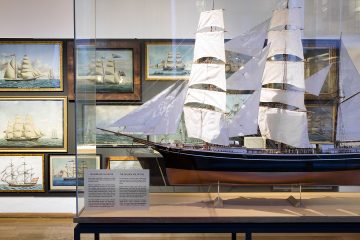
All at sea I n the heart of Bergen lies the ideal museum for anyone who grew up wanting to be a captain – or a pirate; a place for all things…
In the Nordnes district of Bergen, the cosy Løvetann Café & Bistro serves fresh, varied and tasty dishes, all made from scratch. Thoughtfully…
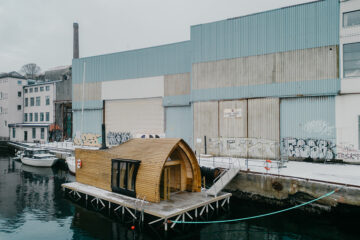
With a people-centred approach, creative architecture firm Utopic is devoted to making inclusive social spaces through beautiful architecture and…
Are you a keen follower of Brand Scandinavia? Sign up to our newsletter now to stay up to date on all the latest Scandi trends, read celebrity interviews and get insider advice on the most cherished hidden gems.
