
Konserthuset Stockholm: The 100-year-old concert hall that never sleeps
Home to the Royal Stockholm Philharmonic Orchestra, the blue concert hall is one of Stockholm’s most recognisable landmarks. Konserthuset Stockholm…

Home to the Royal Stockholm Philharmonic Orchestra, the blue concert hall is one of Stockholm’s most recognisable landmarks. With more than 200 concerts per year, the building is always buzzing. This autumn sees a busy schedule outlined; with a Barbara Streisand tribute, a festive Strauss celebration, the return of legend Herbert Blomstedt and, of course, the prestigious Nobel Prize Award Ceremony. The Royal Stockholm Philharmonic Orchestra was founded in 1902 and Konserthuset Stockholm has been its home since 1926. The blue concert hall is one of Stockholm’s most recognisable landmarks, hosting over 200 concerts per year, including orchestral and chamber music, jazz and world music,…
With its long light days and buzzing atmosphere, there is no better time to explore Stockholm’s…
Design House Stockholm pushes the boundaries for innovative Scandinavian design in its vision to…
In the heart of Stockholm’s Vasastan district, beneath the elegant façade of Elite Palace Hotel,…
In the heart of Stockholm’s vibrant food hall Hötorgshallen, ERTH is redefining what a modern meat…

Home to the Royal Stockholm Philharmonic Orchestra, the blue concert hall is one of Stockholm’s most recognisable landmarks. Konserthuset Stockholm…


Open six evenings per week, Glenn Miller Café in Stockholm has an impressive range of modern jazz concerts. In addition to fantastic professional…

The Academy of Cutting and Tailoring, Stockholms Tillskärarakademi, has a long history, deep traditions and extensive experience, yet remains highly…

In the heart of Stockholm’s vibrant food hall Hötorgshallen, ERTH is redefining what a modern meat experience can be. Combining restaurant, deli and…

Just a short journey from Stockholm’s hustle and bustle, the charming boutique hotel Siggesta Gård is surrounded by forests and fields – perfect for…

At Nya Carnegiebryggeriet, you can enjoy the popular 100W IPA and Kellerbier, experimental brews and collaborations, or why not try a beer brewed…

Design House Stockholm pushes the boundaries for innovative Scandinavian design in its vision to democratise design. Since 1992, the premium brand…

In the heart of Stockholm’s Vasastan district, beneath the elegant façade of Elite Palace Hotel, lies Vana Spa – a tranquil urban escape where time…

Under Kastanjen: Indulge in Swedish classics in one of Stockholm’s most beautiful locations. Photo: Alexander-Rydberg-Ling

The Vasa Museum rises from leafy Djurgården as one of Stockholm’s most distinctive landmarks, combining maritime history, green surroundings and easy access to the city’s cultural heart. Photo by Anneli Karlsson / Swedish National Maritime and Transport Museums.

Nordiska museet combines grand architecture with a modern approach to Nordic cultural history, making it one of Stockholm’s most impressive museum experiences. Photo by Hendrik Zeitler.

ABBA The Museum celebrates Sweden’s most famous pop group with an energetic, interactive experience where visitors can step on stage, explore original costumes and immerse themselves in the story of ABBA. Photo by Love Krok Attling/ABBA The Museum.

Prins Eugens Waldemarsudde offers a refined cultural escape on Djurgården, where Prince Eugen’s former home, art collection and elegant interiors create one of Stockholm’s most atmospheric museum experiences. Photo by Anders E Skånberg.

Konserthuset Stockholm stands proudly on Hötorget, its distinctive blue façade overlooking the market square and forming one of the capital’s most recognisable cultural landmarks. Photo by Mats Lundqvist.

Design House Stockholm brings together playful creativity and Scandinavian design — don’t miss the chance to stop by the shop and discover some of the brand’s most distinctive pieces in person. Photo by Design House Stockholm.

The Shoelace Brand Stockholm turns a simple everyday detail into a playful fashion statement, with personalised shoelaces designed to give favourite sneakers a distinctive new look. Photo by The Shoelace Brand.

Sturebadet is one of Stockholm’s most spectacular wellness institutions, where historic architecture, an elegant pool and more than a century of spa tradition create a truly special escape in the heart of the city — don’t miss the chance to experience it for yourself. Photo by Sturebadet.

Bonnie’s brings chic gastronomy to the spectacular former bank hall of Bank Hotel, making it one of Stockholm’s most atmospheric places for an elegant meal. Photo by Johannes Maxweller.

Nya Carnegiebryggeriet combines Stockholm’s craft-beer scene with a relaxed waterfront setting, making it a great place to stop for locally brewed beer by the water. Photo by Nya Carnegiebryggeriet.

Backstage Hotel Stockholm offers a stylish stay in the heart of Djurgården’s cultural district, blending boutique design with music, entertainment and a distinctly creative Stockholm atmosphere. Photo by Alexander Dahl.

Stockholm Adventures opens up a more adventurous side of the Swedish capital, with guided kayaking and outdoor experiences that take visitors from the city into the spectacular Stockholm archipelago — an unforgettable way to see Stockholm from the water. Photo by Stockholm Adventures.

Karamell brings a lively new energy to Stockholm’s waterfront, pairing colourful interiors, food and cocktails with sweeping views across the water from its Gamla Stan setting. Photo by Karamell.

Nordiska museet is a must for anyone wanting to understand Sweden through its fashion, design, traditions and cultural history — allow plenty of time to explore one of Stockholm’s great museums on Djurgården. Photo by Helena Bonnevie, Nordiska museet.

Petri offers one of Stockholm’s most distinctive dining experiences, where carefully crafted dishes draw on Swedish nature, memory and seasonality — a compelling stop for anyone wanting to experience the city’s more creative culinary side. Photo by Per-Anders Jörgensen / Petri Restaurant.
Built across islands and wrapped in water, Stockholm is one of those cities where the setting is inseparable from the experience. Historic streets lead down to busy quays, ferries criss-cross the harbour, museums occupy royal parkland and former industrial buildings, and an archipelago of thousands of islands begins almost at the edge of the city centre.
But Stockholm is far more than its postcard views. Sweden’s capital has one of Scandinavia’s strongest museum scenes, an internationally recognised design tradition, ambitious restaurants, historic hotels, contemporary spas and a cultural calendar that runs throughout the year.
This guide to Visit Stockholm: Best Experiences in Sweden’s Capital brings those different sides of the city together, drawing on places and people featured by Scan Magazine over the years. From the Royal Palace and the Vasa Museum to independent designers, destination restaurants and quiet islands beyond the centre, Stockholm rewards visitors who give it time.
Begin in Stockholm’s historic heart
The natural starting point is Gamla Stan, Stockholm’s Old Town. Spread across one of the city’s central islands, its narrow streets, ochre-coloured façades and small squares provide an immediate sense of the city’s history.
At its northern edge stands the Royal Palace of Stockholm, one of the capital’s defining landmarks and still an official royal residence. The surrounding streets lead towards churches, galleries, restaurants and the waterfront, making this an easy area to explore without a fixed itinerary.
For food with a particularly atmospheric Old Town setting, Under Kastanjen sits on Brända Tomten, one of Gamla Stan’s most attractive little squares. Swedish classics, historic surroundings and the enormous chestnut tree outside give it the kind of sense of place that visitors remember long after individual dishes.
Nearby, Hotel Reisen occupies a prime position by the waterfront and brings another layer of Stockholm history into the experience. The property’s roots stretch back centuries, yet its current incarnation combines the character of Gamla Stan with a contemporary hotel stay.
Stockholm’s past also survives in its restaurants and drinking culture. Zum Franziskaner, founded in the 19th century, remains one of the city’s great traditional beer halls, while Tranan offers another glimpse of Stockholm restaurant history in a setting long associated with artists, writers and local regulars.
Stockholm’s extraordinary museum scene
Few European capitals make it as easy to build an entire trip around museums.
On Djurgården, the Vasa Museum is one of Stockholm’s great visitor experiences. Its centrepiece is the remarkably preserved 17th-century warship Vasa, which sank on its maiden voyage in 1628 and was raised from Stockholm harbour more than three centuries later. The ship itself is spectacular, but the museum also uses it to tell a much broader story about engineering, life at sea and Swedish society.
Close by, Nordiska museet explores Nordic cultural history through everything from fashion and interiors to traditions and everyday life. Its monumental building is almost an attraction in itself, and the collections provide useful context for understanding Swedish culture beyond contemporary stereotypes.
The nearby Skansen takes a completely different approach. Founded in the 19th century, the open-air museum brings historic buildings, traditional environments, crafts and Nordic animals together on Djurgården. It works particularly well for families but is equally useful for anyone interested in how Swedish life has evolved beyond Stockholm.
For music fans, ABBA The Museum embraces one of Sweden’s most successful cultural exports with an interactive experience that is deliberately playful rather than reverential.
Art, photography and design
Back in the city centre, Nationalmuseum covers six centuries of art and design. Its collections span painting, sculpture, decorative arts and applied design, while its position on the waterfront makes it an easy addition to a day spent around central Stockholm.
For contemporary photography, Fotografiska has become one of the city’s best-known cultural destinations. Housed in a former customs building on Södermalm, it combines major photography exhibitions with striking views across the water.
On Djurgården, Prins Eugens Waldemarsudde offers a more intimate experience. The former home of Prince Eugen combines his art collection, temporary exhibitions, architecture and gardens in one of Stockholm’s most beautiful waterfront settings.
Liljevalchs provides another strong reason to spend time on Djurgården. Its focus on contemporary Swedish and international art gives the island a cultural dimension that extends far beyond its historic attractions.
Smaller institutions add variety. Carl Eldhs Ateljémuseum, once the studio of sculptor Carl Eldh, preserves a wonderfully atmospheric artistic environment, while Scenkonstmuseet – the Swedish Museum of Performing Arts – explores theatre, dance and music through interactive displays.
For something much less traditional, Paradox Museum Stockholm plays with perception, optical illusions and interactive installations. It is deliberately fun and works well as a contrast to the city’s more conventional institutions.
The Nobel Prize Museum, meanwhile, sits right in Gamla Stan and explores the people and ideas behind the Nobel Prize through objects, stories and discoveries. It fits particularly well into a first-day itinerary because it combines Stockholm history with a much wider international perspective.
A capital built around culture
Stockholm’s cultural life extends well beyond museums.
The distinctive blue Konserthuset Stockholm dominates Hötorget and is home to the Royal Stockholm Philharmonic Orchestra. Concerts range from major classical programmes to crossover events, and the building is closely associated with the annual Nobel Prize ceremonies.
Other musical traditions are represented by groups such as Stockholm Chamber Brass and Stockholm Saxophone Quartet, both of which demonstrate the depth of the city’s contemporary classical scene.
The capital also knows how to put culture outdoors. Stockholm Culture Festival turns central streets and squares into performance spaces, while the broader summer festival season brings concerts and events to venues across the city.
Theatre and musicals form another strand. Productions such as Joyride – The Musical underline Stockholm’s appetite for large-scale popular entertainment alongside opera, classical music and experimental performance.
There is always something going on, which is one reason Backstage Hotel Stockholm makes such a clever base on Djurgården. Part hotel, part extension of the surrounding entertainment district, it sits among some of Stockholm’s most popular cultural attractions.
As Ingmari Pagenkemper, CEO of Cirkus Venues, told Scan Magazine:
“There is so much you can experience in the city, such as concerts and exhibitions, but also bars and restaurants, as well as shopping and wellness activities.”
It is a good summary of Stockholm itself. The city works particularly well because culture, food, shopping and leisure rarely feel isolated from one another.
Shopping, fashion and Swedish design
Stockholm’s reputation for design is not an abstract piece of national branding. It is visible in shops, galleries, furniture, fashion and small independent businesses throughout the city.
Design House Stockholm has long taken an unusual approach by working as a platform for designers rather than adhering to one rigid house style. Its products demonstrate how Scandinavian design can be functional without becoming anonymous.
Furniture and interiors remain central to Stockholm’s creative identity. Svedholm Design brings sculptural forms and environmental thinking together, while Struktur Sthlm focuses on furniture designed to last and to sit comfortably within a more sustainable approach to interiors.
The city’s international role in the design industry becomes especially visible around Stockholm Design Week, Stockholm Furniture Fair and Formex, when architects, buyers, designers and brands converge on the capital.
Jewellery offers a more intimate interpretation of the same craft tradition. Hargreaves Stockholm combines hand craftsmanship with an emphasis on responsible materials, while Mumbaistockholm creates distinctive jewellery with a playful, contemporary identity.
Elsewhere, The Shoelace Brand Stockholm takes something as simple as a shoelace and turns it into a small fashion statement, a good example of the city’s tendency to find design opportunities in everyday objects.
Swedish watch brand MAEN adds another layer to the shopping scene, while FACE Stockholm represents a beauty business with deep Scandinavian roots.
For something much more personal, No Ordinary Scent uses technology to create individual fragrances, demonstrating just how broadly the idea of Scandinavian design can stretch.
Stockholm is therefore a good shopping city even for visitors with no interest in traditional souvenir hunting. The most interesting finds are often products that combine utility, craft and a little Swedish eccentricity.
Wellness in Stockholm
Swedish wellness culture fits naturally into a city surrounded by water.
One of Stockholm’s great institutions is Sturebadet, founded in the 19th century and still one of the capital’s most atmospheric places to slow down. Its ornate pool and historic interiors make a spa visit feel as much architectural as therapeutic.
For a more contemporary urban retreat, Vana Spa offers pools, treatments and relaxation within a polished city environment. It works particularly well after a long day of museums, shopping or winter sightseeing.
The appeal of Stockholm wellness is partly seasonal. In summer, swimming and island life become part of the equation; in winter, pools, saunas and spa rituals provide a useful counterpoint to cold streets and early evenings.
This is also a city where wellbeing does not need to mean spending an entire day inside a spa. A morning walk on Djurgården, a ferry ride across the harbour or an afternoon kayaking can provide much the same sense of reset.
Where to eat in Stockholm
Stockholm has developed into one of the Nordic region’s most interesting food cities, combining Scandinavian ingredients with increasingly international influences.
For an ambitious modern interpretation of Swedish cooking, Petri builds its menus around memory, seasonality and the natural world. The result is highly personal rather than simply “Nordic” in a generic sense.
Coco & Carmen offers another refined experience, while Arnold’s combines a playful restaurant atmosphere with a serious wine programme.
At Bonnie’s, dining takes place within the spectacular former banking hall of Bank Hotel. The room gives the restaurant a sense of occasion even before the food arrives.
Stockholm’s international side is equally strong. Fat Cat Brasserie brings Asian flavours into a glamorous central setting, while Beirut Café has long been one of the city’s recognised destinations for Lebanese food.
Other restaurants take inspiration from further afield. Pava Gruppen has brought Californian influences into central Stockholm, while the city’s wider restaurant landscape reflects the increasingly global character of the Swedish capital.
For views as well as food and drink, TAK spreads across a rooftop high above central Stockholm. The setting works particularly well in summer, when the long northern evenings allow diners to linger outside.
Down by the water, Nya Carnegiebryggeriet combines craft beer with a waterfront setting in Hammarby Sjöstad. Stockholm’s wider beer scene is surprisingly deep too, ranging from modern taprooms to historic institutions.
Stockholms Bränneri adds locally distilled gin to the mix, reinforcing a broader trend towards small-scale drinks production within the capital.
And for an easygoing waterfront stop, Glashuset provides the sort of setting that makes Stockholm dining particularly appealing in warmer months.
Where to stay in Stockholm
Choosing where to stay depends largely on which version of Stockholm you want.
For Gamla Stan and the historic waterfront, Hotel Reisen provides one of the strongest locations in the city. Step outside and you are immediately among the Old Town streets and harbour.
On Djurgården, Backstage Hotel Stockholm makes sense for visitors who want museums, music and entertainment close at hand. Nearby, Hotel Hasselbacken offers a more traditional hotel experience with its own long history and a setting surrounded by some of Stockholm’s biggest attractions.
In the modern centre, Hotel At Six brings art, design and contemporary luxury to Brunkebergstorg, while Hotel With Urban Deli offers a more unconventional proposition built around a lively food and social environment.
Different neighbourhoods give different trips. Staying on or near Djurgården works beautifully for culture and green space; Gamla Stan puts history outside the door; Norrmalm offers maximum convenience for shopping, restaurants and transport.
Stockholm is compact enough, however, that visitors rarely need to choose between one district and another. Ferries, metro trains, trams and walking routes make moving around relatively simple.
Stockholm by water
To see only central Stockholm from land is to miss one of its defining features.
The city itself sits across islands connected by bridges, but beyond the centre lies the vast Stockholm Archipelago, a landscape of rocky shores, wooded islands, summer houses and small communities stretching towards the Baltic.
For active travellers, Stockholm Adventures offers kayaking and other outdoor experiences that reveal just how quickly the urban landscape gives way to something much quieter.
As founder Joakim Malm told Scan Magazine:
“The wildlife, rugged scenery and serenity of the archipelago will blow you away. It really is a very special place.”
Stockholm Nature Activities provides another route onto the water, including kayaking close to the city and longer outdoor adventures.
The archipelago does not have to mean roughing it. Siggesta Gård on Värmdö combines countryside, accommodation and island life within relatively easy reach of Stockholm.
Further north, Roslagen offers another version of the coastal landscape, with small towns, islands and countryside extending along the Baltic.
Whether you take a public ferry, join a guided trip, paddle yourself or stay overnight on an island, spending some time on the water changes the way Stockholm makes sense. What initially appears to be a conventional European capital suddenly reveals itself as the beginning of an enormous maritime landscape.
A city with room to breathe
One of Stockholm’s less obvious strengths is space.
Djurgården combines some of the city’s busiest attractions with paths, woodland and waterfront. Södermalm mixes restaurants and nightlife with viewpoints and residential streets. Even central areas are broken up by water, parks and quays.
This balance makes Stockholm unusually easy to combine with outdoor experiences.
A morning might begin with art at Nationalmuseum, continue with lunch in Gamla Stan and end with an evening ferry ride. Another day could move from the Vasa Museum to a walk through Djurgården before finishing with dinner and drinks in the city centre.
There is rarely a need to choose between culture and nature.
When to visit Stockholm
Stockholm changes dramatically through the seasons.
Summer is the most obvious time for the archipelago, outdoor restaurants, festivals and long evenings. Around midsummer, daylight stretches deep into the night and water becomes the centre of city life.
Spring brings longer days and fewer visitors, while early autumn can be especially beautiful as parks and islands begin to change colour.
Winter has a completely different charm. Museums, restaurants, spas and cultural venues become particularly appealing, while Christmas markets and seasonal lights transform the historic centre.
Cold weather should not automatically put visitors off. Stockholm is exceptionally well equipped for indoor culture, and the contrast between winter streets and warm cafés, restaurants and spas is part of the experience.
How long should you spend in Stockholm?
Two days allow enough time for Gamla Stan, one or two major museums and a good meal, but they barely scratch the surface.
Three or four days are far better. That gives visitors room for Djurgården, design shopping, food, wellness and some exploration of neighbourhoods beyond the main tourist circuit.
With five days or more, include the archipelago. Spending even one night outside the central city changes the rhythm of a Stockholm trip and helps explain why Swedes themselves are so attached to island and coastal life.
Stockholm is also an easy city to revisit. Museums change exhibitions, restaurants come and go, neighbourhoods evolve and the archipelago offers almost endless possibilities.
Visit Stockholm and discover a capital shaped by water, culture and design
Stockholm succeeds because its different identities do not compete with one another.
It can be grand around the Royal Palace and intimate in Gamla Stan; highly contemporary in its restaurants and design stores yet deeply historical in its museums. It offers world-class art and music but also forests, islands and open water within minutes of the centre.
Come for the Vasa Museum, Swedish design or the famous archipelago and you will inevitably find something else competing for your attention: a restaurant you had not planned to visit, a museum you had never heard of, a ferry disappearing towards another island or a quiet waterfront path in the middle of the city.
That sense of discovery is what makes Stockholm worth more than a rushed weekend.
Explore more Stockholm restaurants, hotels, museums, designers, cultural institutions and experiences throughout the Scan Magazine archive.
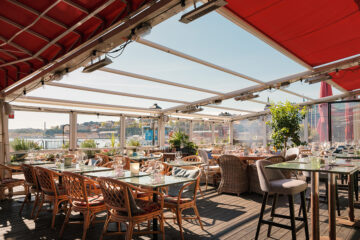
Right by the waterfront in Gamla Stan, newly opened venue Karamell is a colourful oasis, tempting with a festive atmosphere and impressive culinary…

If you are visiting Stockholm, you will most certainly spend a day exploring the Old Town, its narrow lanes, pretty buildings, and historic vibe.…
The Academy of Cutting and Tailoring, Stockholms Tillskärarakademi, has a long history, deep traditions and extensive experience, yet remains highly…
Are you a keen follower of Brand Scandinavia? Sign up to our newsletter now to stay up to date on all the latest Scandi trends, read celebrity interviews and get insider advice on the most cherished hidden gems.
