
Formarkivet: When form takes the lead
By Signe Hansen | Photos: Formarkivet

Scandinavian design is often defined by lightness, restraint and the idea that function should lead. Copenhagen-based Formarkivet pushes against that hierarchy. Its furniture is still made to be lived with, but form is given room to speak first: rounded aluminium volumes, upholstered silhouettes and architectural lines that sit almost like sculptures in a room. The result is recognisably Nordic, yet deliberately more expressive and cosmopolitan.
Founded in 2023 by Cathrine and Christian Rudolph, the couple behind SOFACOMPANY, Formarkivet builds on years of experience in the furniture industry while taking their design ambitions in a new direction. Their aim was to connect craftsmanship with a more contemporary, international expression, drawing on Christian’s experience in brand development and Cathrine’s strong aesthetic instinct and eye for detail.
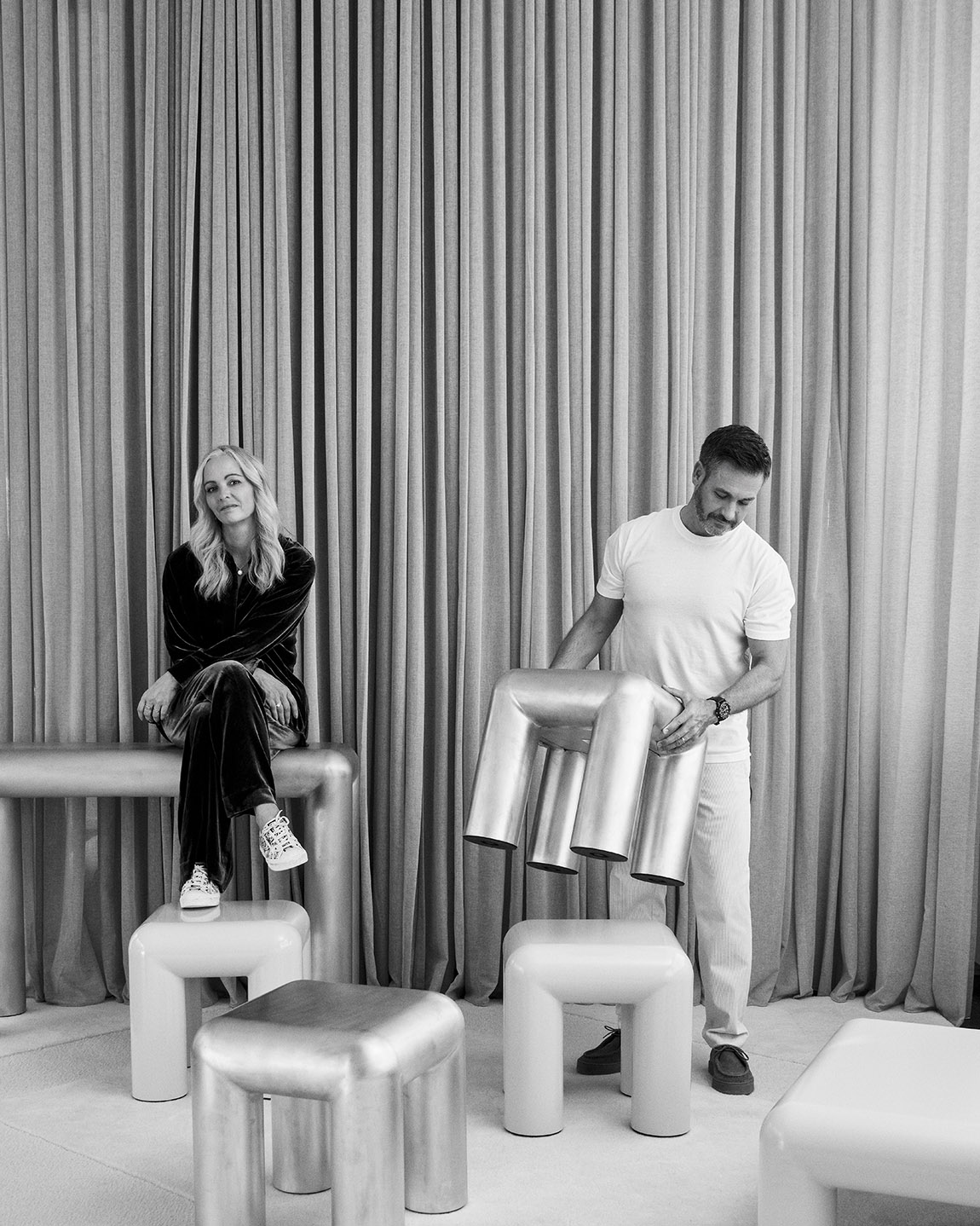
Cathrine and Christian Rudolph, the couple behind Formarkivet.
“There’s a strong focus on good materials, texture and a sculptural language,” says Sjur Lien, head of brand and marketing. “Rather than letting function sit highest in the hierarchy, we want the form and volume of a product to have a clear presence. A chair still has to work as a chair, but it can also stand almost like an object in the room.”
From its showroom in Copenhagen’s Nordhavn district, the small in-house team is gradually expanding that design language across furniture, lighting, textiles and home fragrance, as Formarkivet establishes a growing presence in international markets.
From shared instinct to design house
For Cathrine and Christian Rudolph, Formarkivet grew from years of working together and learning where their different strengths meet. Christian tends towards strategy and the broader picture, while Cathrine often begins with the visual instinct before the design team helps refine the idea.
“We’ve both grown to appreciate the importance of slowing down and going deeply into each design,” the founders explain. “From the beginning, the vision was to create furniture that could last for generations, rather than follow passing trends.”
The Cubio series captures that process. Its starting point came towards the end of the pandemic, when Cathrine noticed the sculptural furniture in classic films from the 1980s. The first sketch developed into a family of stools and tables with rounded, oversized forms, but took more than a year to perfect. Today, Cubio sits at the heart of the collection.
A family of forms
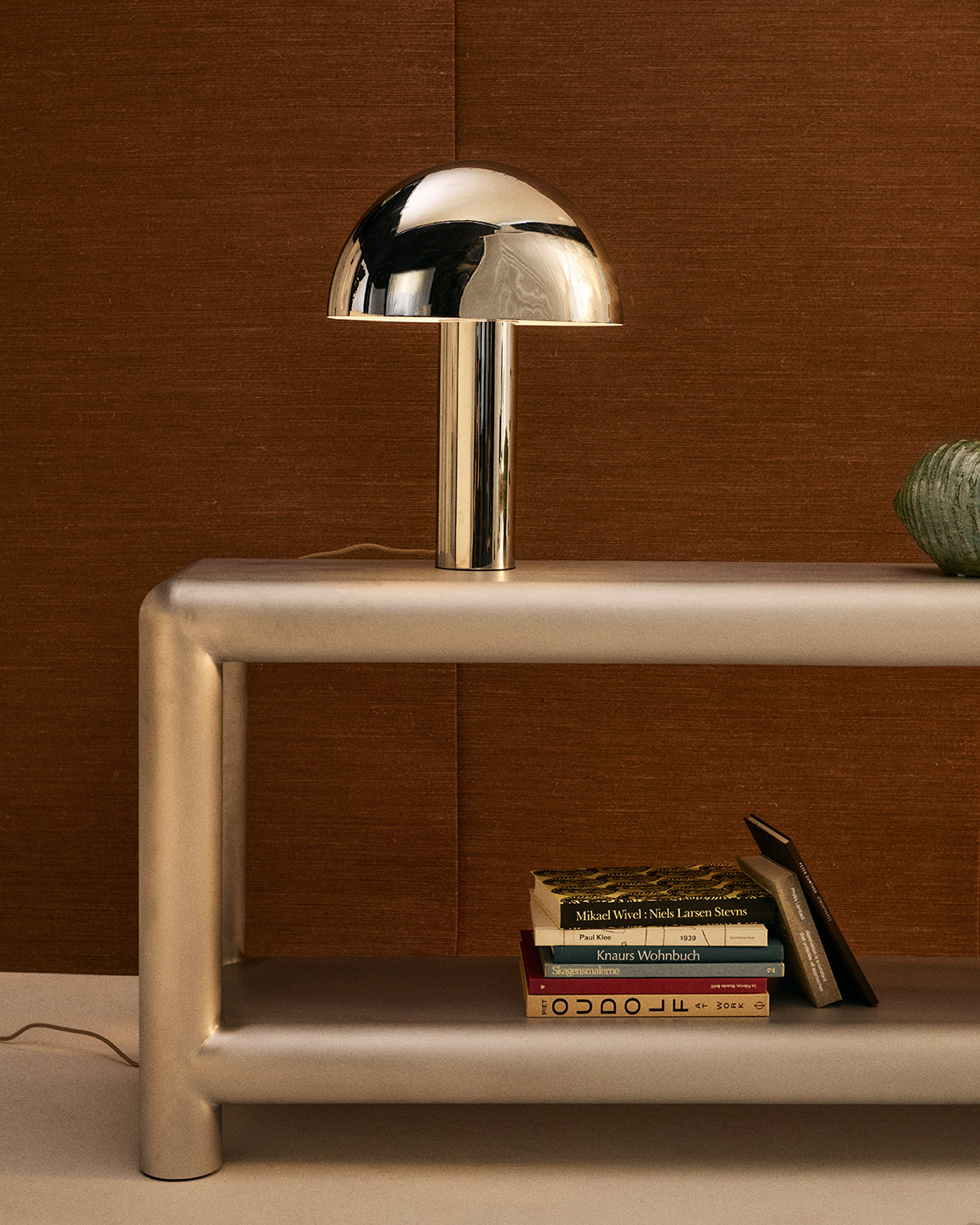
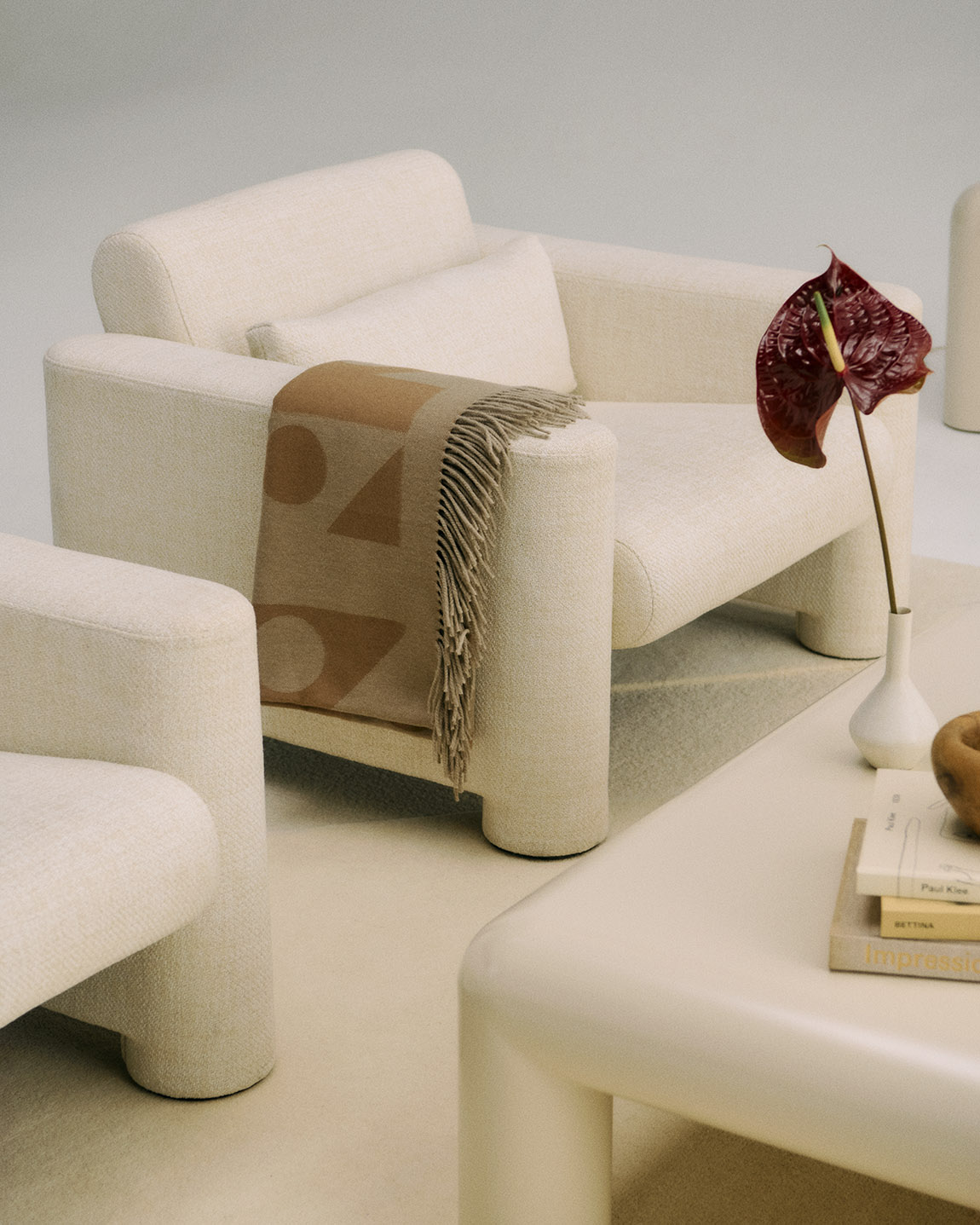
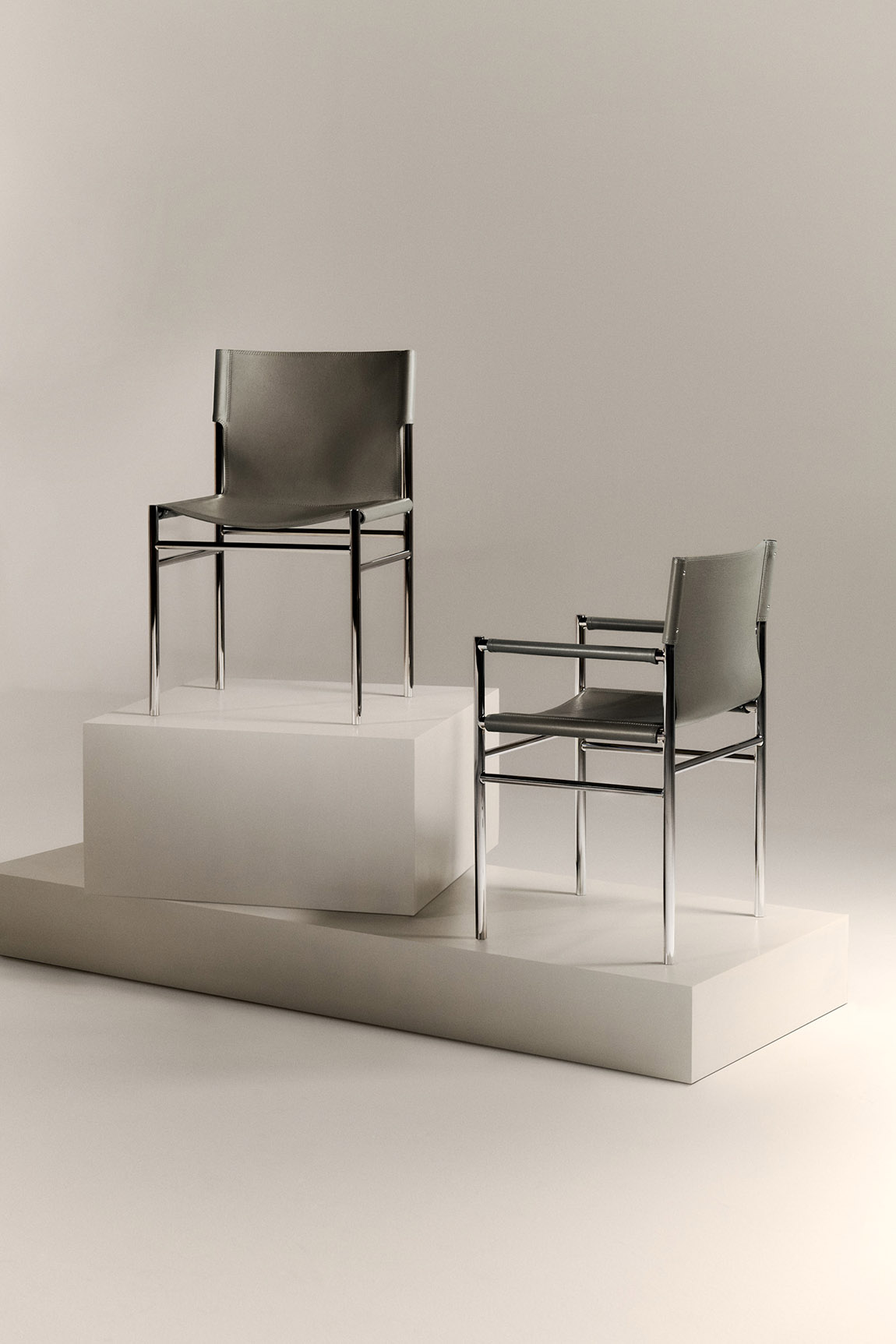
Across the range, the pieces vary considerably. Cubio is broad and solid, often rendered in raw aluminium that develops its own patina, while the Ferra chair is more architectural, with a slender steel or oak frame. The upholstered Ion series draws on ancient Greek Ionic architecture, translating classical references into soft, substantial seating, while the Aglow lamp appears broad from the front and unexpectedly flat from the side.
“Good materials, a sculptural language and interesting details are what characterise our designs,” says designer Tim Torp Hansen. “We want them to stand out and make an impression, but without shouting. We believe that restraint is what gives them a long aesthetic life.”
Rather than repeating one silhouette, Formarkivet works with shared principles: material presence, clear geometry, comfort and a detail that gives each object its own identity. Function is still carefully resolved, Lien stresses, from the angle of a chair back to the amount of foam in a seat and the feel of a textile against the skin. The aim is to give form greater freedom without sacrificing use.
Looking beyond functionalism
That balance places Formarkivet in an interesting relationship with Scandinavian design heritage. The brand draws on the region’s lessons in reduction, construction and durability, but does not treat functionalism as a rulebook. Instead, the team looks outward as well as back.
“It’s difficult not to be inspired by the design culture we’ve been part of all our lives,” says Torp Hansen. “There’s a great deal of wisdom in reducing a design to its essence and making solid constructions and comfort that last. But perhaps because we come from Danish design culture, we also feel a need to break free. Looking south, especially to Italy, opens up a more playful approach to form.”
For Formarkivet, the departure is less a rejection of Scandinavian design than a change in emphasis. Function remains essential, but it shares the stage with emotion, volume and visual presence. As Cathrine and Christian Rudolph put it, the ambition is to offer “a new perspective on Danish design” – one that brings tradition into dialogue with a broader, more expressive design world.
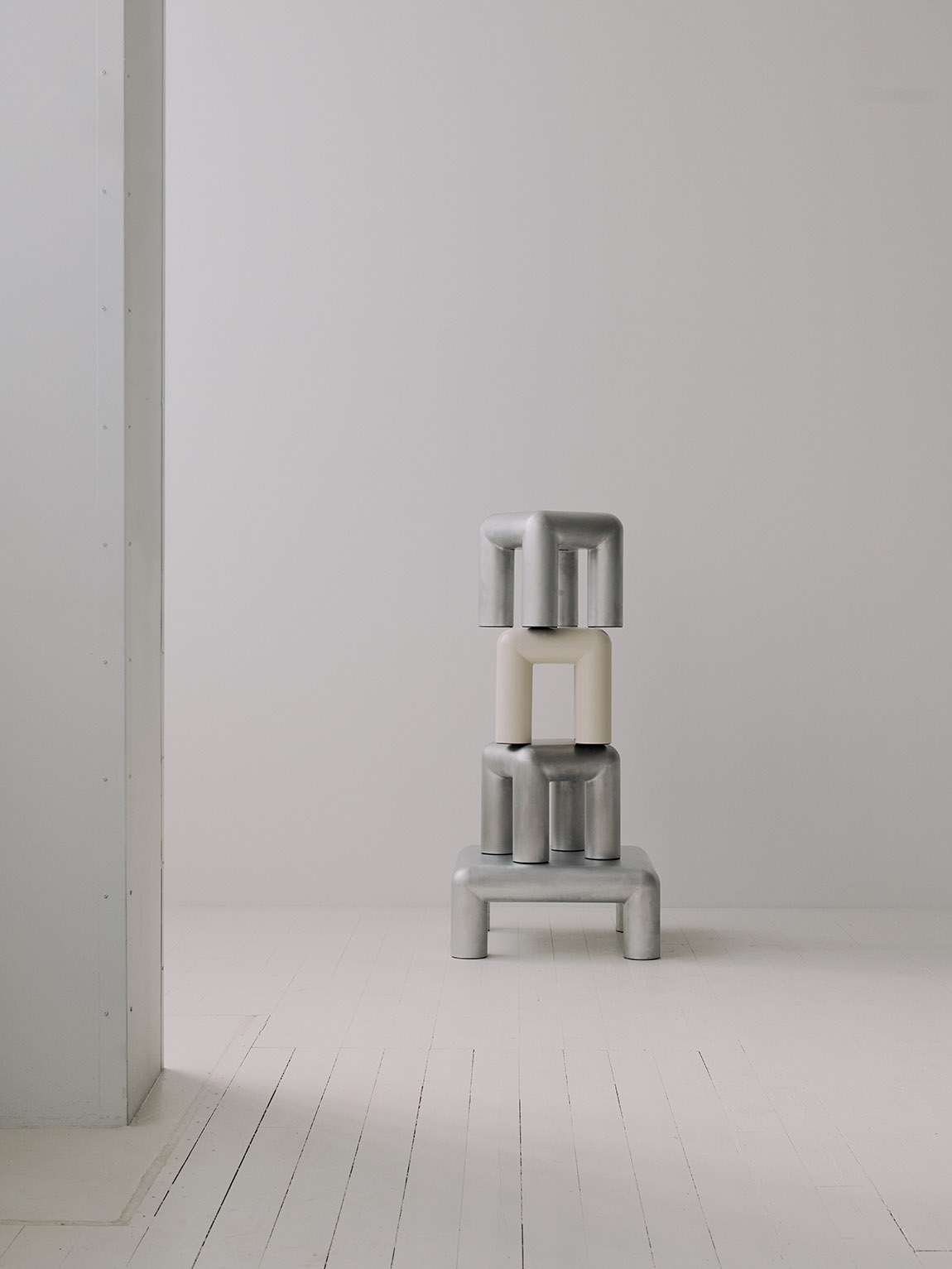
Copenhagen Contemporary has selected Formarkivet’s Cubio series for its shop display alongside an exhibition by Japanese architect Kengo Kuma, reflecting the brand’s close connection to art, sculpture and architecture.
www.formarkivet.com
Instagram: @formarkivet


