Maria Smedstad: Making friends… September 2018
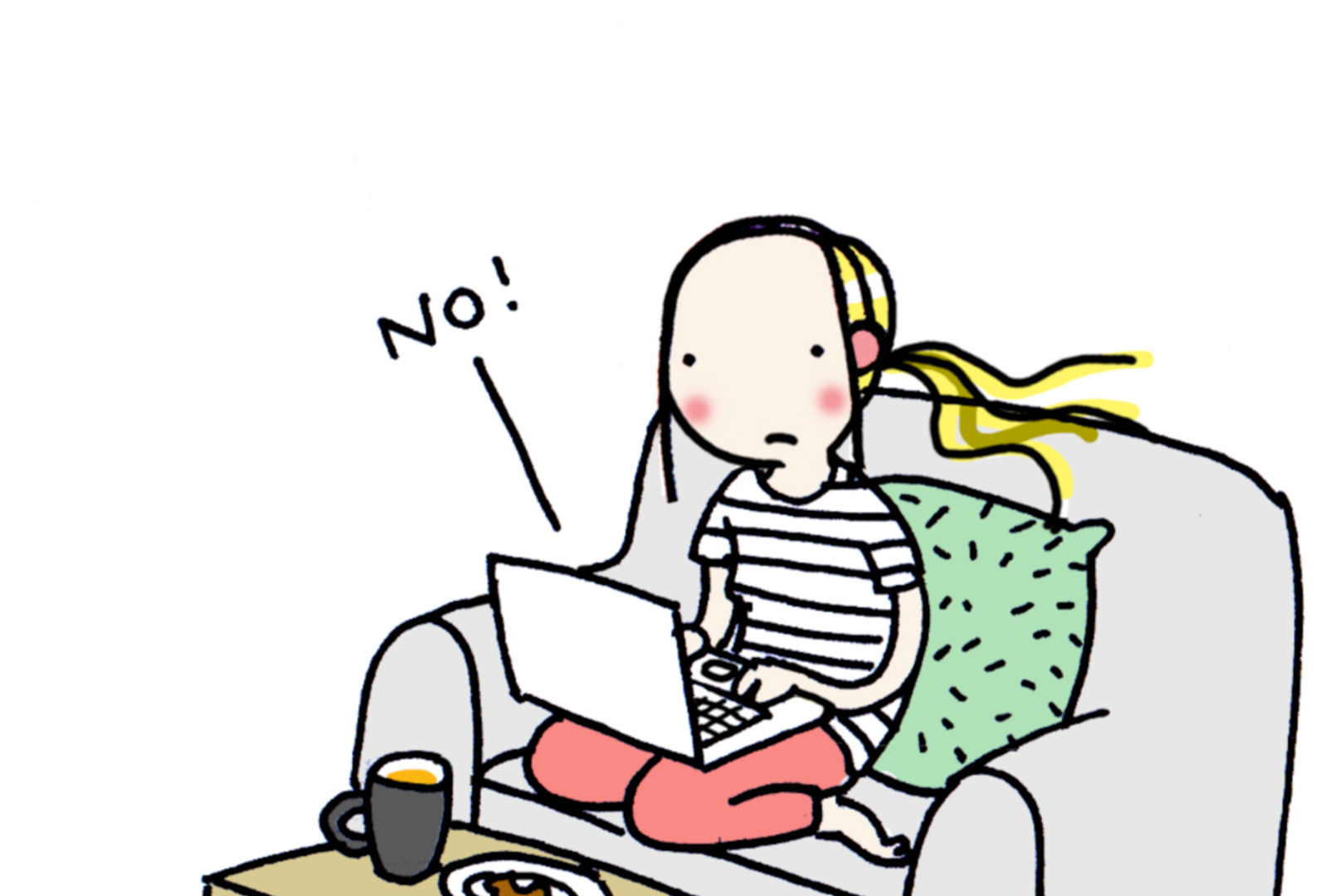
Working from home can be a bit lonely, especially if, like me, you have moved to a city where you don’t know anyone. Deciding to be more proactive about my social life, I recently attempted to join a local friends group. This, I imagined, would be a good, easy way to meet new people. The Brits are, after all, a very sociable, easy-going bunch.
I pictured turning up to a pub, to find a group of strangers crowding around a table, perhaps mildly awkward at first, resorting to British classics such as exchanging condemnations about the weather/public transport/local B-roads. Once common ground had been established, however, I was confident that I’d find myself surrounded by some highly socially-skilled individuals.
I completed the online form, added a picture and a blurb about my interests, and sent it off for approval. As I waited for a response, I felt nervous. What would the local scene make of my attempt to reach out? Not very much, as it turned out. A couple of days later I received a reply in the shape of a small essay, explaining how my chosen profile picture did not comply with the rules. It went on to say that once I had corrected my mistake, I was welcome to resubmit my application for friendship. I was stunned. This – as the Brits say when profoundly disappointed – was not what I had in mind.
It did not feel sociable and easy-going. In fact, it reminded me of something else entirely; the long email with the sober bullet points, the humourless telling me off, the dogged sticking to the rules. Could it be…? Astonished, I began typing a reply. ‘I don’t suppose…’ I paused, contemplating the likelihood. ‘…there is any chance that you are Swedish…?’
TEXT: MARIA SMEDSTAD
Disclaimer: The views and opinions expressed in this column are those of the author and do not necessarily reflect the official policy or position of Scan Magazine Ltd.’
Subscribe to Our Newsletter
Receive our monthly newsletter by email